
Measure I is on the November 2026 Ballot.
As a City, we are focused on serving our community in a fiscally responsible manner and have been proactive in planning and controlling costs.
The City has created efficiencies, reduced program and service levels, and continues to do so each budget cycle. However, as a result of persistent inflation, increasing cost of law enforcement, construction, and other essential services, the City continues to face ongoing financial challenges. These include a $1 million structural deficit, more than $24 million in deferred maintenance for streets and roads, and $2.4 million in subsidies needed to support assessment districts (like the Winter Berm, Landscape Maintenance District, and others), the library, senior services, and other community programs. Even with financially prudent practices, this means the City is facing real choices about how to balance priorities. Reducing services or delaying maintenance can help in the short term, but often create larger challenges over time.
At the June 22, 2026 City Council Meeting, the Council approved to place a measure before voters at the November 3, 2026 General Municipal Election, in which voters will consider a quarter-cent sales tax measure (this works out to $0.25 on a $100 purchase). Essential items like groceries and prescriptions would be exempt.
If approved, visitors and tourists would also pay the proposed sales tax generated in Carpinteria. Passing a local sales tax measure would keep revenue local. This means that the dollars you already spend would stay in Carpinteria to help maintain our roads, support public safety, and improve local services.
We encourage you to learn more about next steps at our upcoming Town Hall & State of the City event on Monday, August 31, 2026, at 5:30 PM at Veterans Hall (941 Walnut Ave.) – In-person and via Zoom. This Town Hall is organized and facilitated by City staff as part of the City’s budget outreach process.
Please note: Individual City Council Members may also choose to host listening sessions in their personal capacity. These events are separate from the City’s official Town Halls.
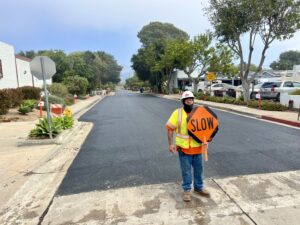
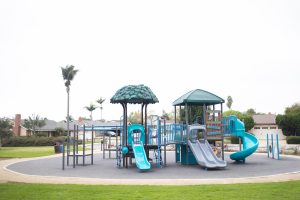
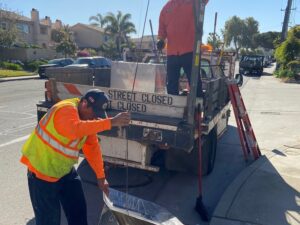

We are committed to providing the services that residents tell us they value most:
- Streets & Roads: Repairing streets, fixing potholes, maintaining sidewalks, and keeping emergency routes in good condition.
- Public Safety: Maintaining sheriff services, keeping neighborhoods safe, and supporting emergency 911 response.
- Parks & Programs: Maintaining safe and clean local parks and recreational facilities, maintaining library hours, and supporting valued senior and youth programs.
- Fiscal Priorities: Retaining and attracting local small businesses, and maintaining financial sustainability and transparency.
- Emergency Preparedness: Reducing wildfire risk with brush management, maintaining and repairing storm drains to prepare for and mitigate flooding, and enhancing emergency response for natural disasters.
Frequently Asked Questions
What is “Measure I” on the November 3rd ballot?
The City-sponsored proposal is a request for voter authorization to approve a quarter-cent sales tax increase in Carpinteria. Voters get to decide when they cast their ballots in the November 3rd election.
What is the actual question that voters will be asked to decide in November on Measure I?
“Carpinteria Public Safety, Roads, City Services Measure. To help repair streets/potholes/sidewalks; better prepare for/respond to wildfires/floods, other emergencies/natural disasters; keep public areas/parks safe/clean; help maintain sheriff’s service/response, property crime/theft prevention efforts; address homelessness; support youth/senior programs; other general government purposes; shall City of Carpinteria’s measure be adopted levying a ¼¢ sales tax, providing approximately $700,000 annually until ended by voters, requiring audits, spending disclosure, funds locally controlled?”
Why is the City proposing Measure I?
The City of Carpinteria is responsible for providing public services and facilities that maintain and protect our community’s high quality of life. The City is committed to providing the services that residents tell us they value most: repairing streets and potholes; reducing wildfire and flooding risk through brush management and maintaining storm drains; preparing for and responding to natural disasters; keeping public areas and parks safe and clean; and retaining and attracting local small businesses.
As a City, we are committed to serving our community in a fiscally responsible manner. We have been proactive in planning and controlling costs.
The Challenge: The City has created efficiencies, reduced program and service levels, and continues to do so each budget cycle. But as a result of persistent inflation, increasing cost of law enforcement, construction, and other essential services, the City continues to face ongoing financial challenges. Including a $1 million structural deficit, more than $24 million in deferred maintenance for streets and roads, and $2.4 million in subsidies needed to support assessment districts, the library, senior services, and other community programs. this means we’re facing real choices about how to balance priorities. Reducing services or delaying maintenance can help in the short term, but often create larger challenges over time. To help maintain services and avoid potential reductions, additional funding may be needed to support the City’s top priorities.
What are the City's top priorities?
- STREETS & ROADS: Repair streets, fix potholes, maintain sidewalks, and keep emergency routes in good condition.
- PUBLIC SAFETY: Maintain sheriff services, keep neighborhoods safe, and support emergency 911 response.
- PARKS & PROGRAMS: Maintain safe and clean local parks and recreational facilities, maintain library hours, and support valued senior and youth programs.
- FISCAL PRIORITIES: Retain and attract local small businesses, and maintain financial sustainability and transparency.
- EMERGENCY PREPAREDNESS: Reduce wildfire risk with brush management, maintain and repair storm drains to prepare for and mitigate flooding, and enhance emergency response to natural disasters.
What is driving the City's rising costs and current budget challenges?
Several factors are contributing to increased City costs over time, including inflation, rising labor and construction costs, and higher costs to maintain and repair aging infrastructure. Service demands and community expectations also continue to evolve, requiring ongoing investment in public safety, emergency preparedness, and other essential City services. In addition, the City must comply with an increasing number of state and federal regulatory requirements, many of which impose new administrative, reporting, and operational costs without corresponding funding.
While City costs continue to rise, many key revenue sources have grown more slowly, creating ongoing pressure on the General Fund. This imbalance has contributed to an estimated $1 million structural deficit and has limited the City’s ability to fully fund infrastructure needs and community services. The City currently faces more than $24 million in deferred street and road maintenance and provides approximately $2.4 million annually to support assessment districts, the library, senior services, and other community programs.
Why does the City need more funding?
The City’s General Fund Budget provides funding for City services, programs, and facilities. Despite our proactive cost control efforts, the strain on vital city services is growing as ongoing expenses continue to outpace available resources. To help maintain services and avoid potential reductions, additional funding may be needed.
Like many residents and businesses, the City is facing higher costs for fuel, utilities, construction, insurance, and other essential expenses. The City has worked to improve efficiency and reduce costs where possible. However, it must continue providing essential services, maintaining public infrastructure, and meeting legal and regulatory obligations.
While costs have increased significantly, many of the City’s traditional revenue sources have not kept pace. As a result, efficiencies and spending reductions alone are not a sustainable long-term solution for maintaining the services and infrastructure the community relies on.
How much additional funding would a 0.25% sales tax generate for the City?
A 0.25% sales tax would raise approximately $700,000 per year for City services. ALL funds generated by a local sales tax would be locally controlled, subject to public disclosure of all spending, annual independent financial audits and performance reports which will be available online, and would stay in Carpinteria to provide essential city services and facility improvements. By law, the State could not take this funding away or use it for other purposes.
What would Measure I apply to? What’s taxed and what isn’t?
A local sales tax would apply to the same goods and services subject to the existing state sales tax on tangible personal property. For example: furniture, cars, giftware, toys, antiques, clothing and gasoline are subject to local sales taxes.
Groceries and prescription medications would be exempt from the sales tax, ensuring the tax would not increase the cost of essential goods. This means residents can support needed improvements to City services without increasing the cost of basic necessities, keeping the impact low while delivering important benefits for the community.
Who pays the City’s current sales tax?
Everyone who purchases any items (other than those exempted) in Carpinteria will pay the tax, including visitors to Carpinteria, meaning a portion of the revenue will come from non-Carpinteria residents, and will help contribute to our city services.
What taxpayer protections would be included?
Taxpayer protections would be required by Measure I. All funds raised by the measure the City is exploring would go to the City’s general fund and would be available for all City services and facilities. Any funds generated would be locally controlled by the City of Carpinteria. The measure would have independent citizen oversight, public disclosure of all spending, annual independent financial audits, and annual reports to the community to help ensure funds are spent as intended.
Who makes the final decision?
The locally elected Carpinteria City Council is the legal entity that is responsible for taking action to place a city measure on the ballot. Ultimately, Carpinteria REGISTERED VOTERS will have the final say when they vote for or against Measure I.
How much of the revenue generated by the sales tax goes to the State?
NONE. By law, all funds generated by the proposed sales tax increase must stay in Carpinteria to fund city services and facility improvements for Carpinteria. None of these funds can be taken by the State or diverted to other communities.
How is the Measure I different than the two Proposition 218 Measures?
The City always strives to be proactive when dealing with City budget challenges, and the two Proposition 218 Measures in early 2026 were a part of those efforts. The Prop 218 Measures would have used a specific type of funding mechanism to fund specific City projects and services. In this case, the two Prop 218 Measures in Carpinteria were for the Landscape Maintenance District, and the Carpinteria Winter Berm District. Any funds raised from those measures could have only been used for the services provided by those districts.
Funds from Measure I would go to the City’s general fund, were it would directly help address the structural deficit the City faces. Funds from this Measure I would go towards helping the city services that residents tell us matter most: repairing streets and potholes; reducing wildfire and flooding risk; preparing for and responding to natural disasters; and keeping our public areas and parks safe and clean.
Are there any other differences between Measure I, and the Prop 218 measures?
Yes. The Prop 218 Measures would have directly affected the property tax paid by Carpinteria property-owners within those proposed districts who directly benefit from the services provided. Alternatively, the proposed 0.25% sales tax ($0.25 on a $100 purchase) would be paid by anyone making a purchase in Carpinteria, including visitors and tourists. Meaning nonresidents would help supplement the City’s general fund revenue to maintain our streets, public safety, open spaces, and other services.
The Prop 218 Measures failed, and now the City is asking for a sales tax measure, what’s next?
The Prop 218s would have directly addressed the underfunded Winter Berm and Landscape Maintenance Districts. Whereas a Measure I would help address other funding gaps, including the structural deficit and deferred maintenance of streets and roads. However, the funding gap that the City is trying to proactively address exceeds revenue that would have been brought in by the Prop 218 measures, and the Measure I. The City is working to determine the best approach to address these funding gaps, be aligned with our community’s top priorities, and support the city services they value most.
Would Measure I support our local recreational programs?
Currently, about 1,000 local children and teens use City-run sports programs, recreational classes, and pool, beach and library programs after school and on weekends. Measure I measure could help fund and maintain these programs and other recreational opportunities that Carpinteria residents rely on.
Would Measure I affect property values?
Well-maintained streets, safe public spaces, and clean neighborhood parks are direct investments in our community’s desirability. By addressing deferred maintenance and maintaining essential services, the City helps keep Carpinteria a high-quality place to live, which supports and helps protect local property values.
Would Measure I affect our beaches, parks, and other open spaces?
The upkeep of our 12 parks and recreation areas, and other outdoor programs are supported by the City’s General Fund. By helping address the $1 million structural deficit and other needed subsidies for library services, senior and youth programs, and more, the City can avoid reducing services that help maintain the beaches and open spaces that make Carpinteria such a special place to live. This includes repairing public bathrooms, landscaping and sports fields; and helping upgrade aging gas, electrical and sewer lines, and children’s playgrounds.
How will Measure I funds help our area prepare for extreme weather or natural disasters?
This measure provides critical funding to upgrade flood control channels, helping to minimize our community’s exposure to flooding and mudslides during extreme weather patterns. Additionally, it allows the City to maintain and upgrade roads to ensure fire trucks can reach neighborhoods and residents have clear evacuation routes during an emergency.
Will Measure I help with local public safety and crime?
In 2024, the Sheriff’s annual report cited 900 crimes in Carpinteria, including burglaries and car thefts. The cost of providing public safety has been rising, and funds from this measure would help maintain sheriff’s services and response times, keeping neighborhoods safe & supporting emergency response.
Missed our June 4 Town Hall?
Presentation slides and meeting materials are provided here so residents can review the information that was shared. We remain committed to making the budget outreach process accessible and encourage community members to participate in upcoming Town Halls or share feedback directly with City staff at communityinput@carpinteriaca.gov.
 © 2026 City of Carpinteria. All Rights Reserved.