
We need your input.
As a City, we are committed to serving our community in a fiscally responsible manner, however, a potential funding deficit is jeopardizing our ability to continue providing the City services and programs valued by our community.
Even with financially prudent practices, the City funds that support valued services and maintain the City’s infrastructure face significant challenges. To help maintain services and avoid potential reductions, additional funding may be needed.
One option the City Council is exploring is asking voters to consider a quarter-cent sales tax measure (this works out to $0.25 on a $100 purchase). Essential items like groceries and prescriptions would be exempt.
Visitors and tourists would also pay the proposed sales tax generated in Carpinteria, meaning nonresidents would supplement the City’s general fund revenue to help pay to maintain our streets, police, and other services. Passing a local sales tax measure would keep revenue local. This means that the dollars you already spend would stay in Carpinteria to help maintain our roads, support public safety, and improve local services.
No decisions have been made yet. Right now, our priority is to listen. What matters most to you? Your input will help guide the City on how to move forward.
We are committed to providing the services that residents tell us they value most:
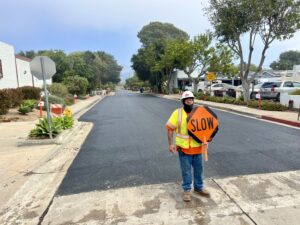
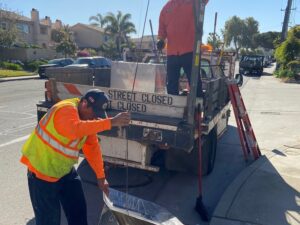
- Streets & Roads: Repairing streets, fixing potholes, maintaining sidewalks, and keeping emergency routes in good condition.
- Public Safety: Maintaining sheriff services, keeping neighborhoods safe, and supporting emergency 911 response.
- Parks & Programs: Maintaining safe and clean local parks and recreational facilities, maintaining library hours, and supporting valued senior and youth programs.
- Fiscal Priorities: Retaining and attracting local small businesses, and maintaining financial sustainability and transparency.
- Emergency Preparedness: Reducing wildfire risk with brush management, maintaining and repairing storm drains to prepare for and mitigate flooding, and enhancing emergency response for natural disasters.
Frequently Asked Questions
What are the City's top priorities? How can I share feedback on the programs and services I value most?
Below is a list of programs and services that residents most frequently identify as their top priorities. Given a limited budget, the City must make trade-offs among these programs and services. We want to understand which priorities matter most to residents to help guide future decisions:
- STREETS & ROADS: Repair streets, fix potholes, maintain sidewalks, and keep emergency routes in good condition.
- PUBLIC SAFETY: Maintain sheriff services, keep neighborhoods safe, and support emergency 911 response.
- PARKS & PROGRAMS: Maintain safe and clean local parks and recreational facilities, maintain library hours, and support valued senior and youth programs.
- FISCAL PRIORITIES: Retain and attract local small businesses, and maintain financial sustainability and transparency.
- EMERGENCY PREPAREDNESS: Reduce wildfire risk with brush management, maintain and repair storm drains to prepare for and mitigate flooding, and enhance emergency response to natural disasters.
We want to hear from you. Let us know what your top City priorities are by taking the survey here.
What is driving the City's rising costs and current budget challenges?
Several factors are contributing to increased City costs over time, including inflation, rising labor and construction costs, and higher costs to maintain and repair aging infrastructure. Service demands and community expectations also continue to evolve, requiring ongoing investment in public safety, emergency preparedness, and other essential City services. In addition, the City must comply with an increasing number of state and federal regulatory requirements, many of which impose new administrative, reporting, and operational costs without corresponding funding.
While City costs continue to rise, many key revenue sources have grown more slowly, creating ongoing pressure on the General Fund. This imbalance has contributed to an estimated $1 million structural deficit and has limited the City’s ability to fully fund infrastructure needs and community services. The City currently faces more than $24 million in deferred street and road maintenance and provides approximately $2.4 million annually to support assessment districts, the library, senior services, and other community programs.
Why does the City need more funding?
Like many residents and businesses, the City is facing higher costs for fuel, utilities, construction, insurance, and other essential expenses. The City has worked to improve efficiency and reduce costs where possible. However, it must continue providing essential services, maintaining public infrastructure, and meeting legal and regulatory obligations.
While costs have increased significantly, many of the City’s traditional revenue sources have not kept pace. As a result, efficiencies and spending reductions alone are not a sustainable long-term solution for maintaining the services and infrastructure the community relies on.
 © 2026 City of Carpinteria. All Rights Reserved.